



Sallia cono specimen
Conus Sallia (scientific name: Conus lampas sauliae) is a highly toxic marine gastropod mollusk of the conus family Conus. It is classified as a subspecies of the lamp snail, named for its type specimens collected from the Saliya Archipelago in Indonesia. Sallia conus is known for its unique shell shape, bright body color and deadly venom, and is one of the most representative "marine poison kings" in the conus family. It is distributed in the tropical waters of the Indian Ocean-Pacific Ocean, mainly in Indonesia, the Philippines, Malaysia, northern Australia and the west coast of India. Sandy, muddy or coral reef bottoms with a preference for water depths of 1-50 m

conus snail shell
Conus scientific name: Conus princeps, belonging to the mollusk gastropod conus conus family conus genus. It is one of the largest species of conus (the largest shell length can reach 20cm), mainly distributed in the Atlantic Ocean (Caribbean Sea, Brazil) and Indian Ocean (East Africa, northwest Australia). Mainly distributed in the Atlantic Ocean (Caribbean Sea, Brazil) and the Indian Ocean (East Africa, northwest of Australia), water depth of 1-50 meters.

Prince Conus snail shell
Prince conus scientific name: Conus princeps, belonging to the mollusk phylum gastropod conus conus family conus. It is one of the largest species of conus (the largest shell length can reach 20cm), mainly distributed in the Atlantic Ocean (Caribbean Sea, Brazil) and Indian Ocean (East Africa, northwest Australia). Mainly distributed in the Atlantic Ocean (Caribbean Sea, Brazil) and the Indian Ocean (East Africa, northwest of Australia), water depth of 1-50 meters.

Weasel taro snail shell
The shell of the Weasel Conus is thick, the snail tower is low and flat, and it has a shell and a water pipe trench. The nervous system is concentrated, and the esophageal nerve ring is located behind the salivary gland and is not penetrated by the salivary gland delivery tube; The gastrointestinal ganglia are located near the central nervous system of the brain. The mouth is well-developed, and the esophagus has unpaired esophageal glands. A part of the outer film is wrapped to form a water pipe. Androgynous, males have copulators. The olfactory detector is feather shaped with narrow teeth and tongue. Residing in intertidal zones to depths below 20 meters on rocky seabeds. Carnivorous, feeding on worms, fish, or other mollusks. There are venom glands in the body that can shoot prey and harm predators, distributed from the Indian Ocean to the Western Pacific.

Popular Models
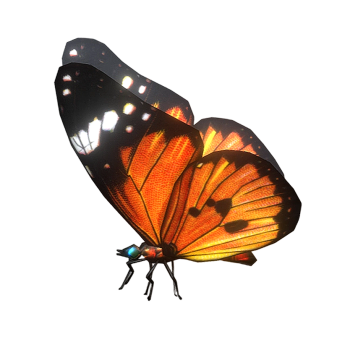
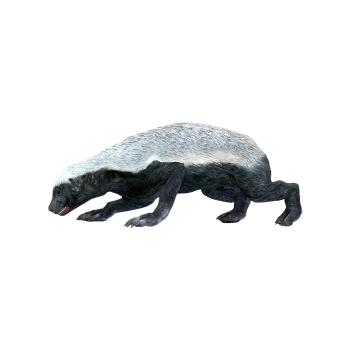
Honey Badger (3D animated model)
196 View
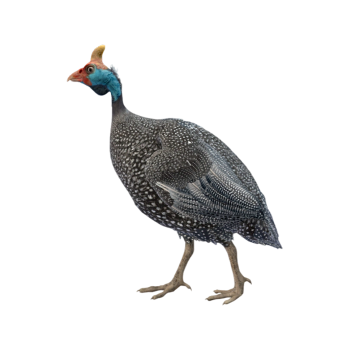
Guinea fowl (3D animated model)
165 View
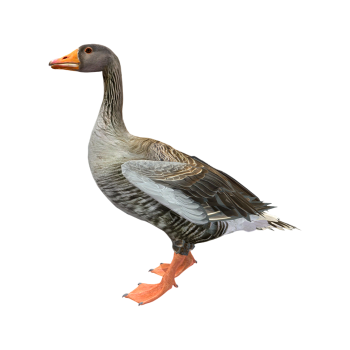
Wild Goose (3D animated model)
187 View
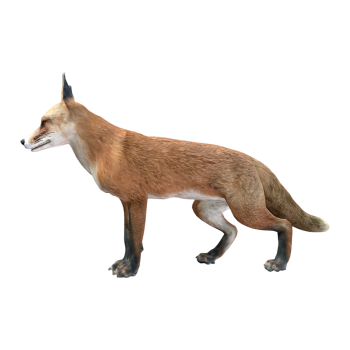
Red Fox (3D animated model)
155 View
Random Model

Sofa
610 View

Nike cleat sneaker
575 View
JCB Backhoe Loader
732 View

Dyer Abbey
451 View

2013 Canon iVIS HF R42 all-in-one camera
1079 View

Stainless steel shopping cart 3D model
1157 View

3D Scanning Mushrooms
1062 View

Church of San Bernardo, Ronkora
578 View